26.11.14
Toma, guapo! Insights from the Mediterranean Market Model
14.11.14
The day after
09.11.14
Ein katalanischer 9. November
Sowieso ist Barcelona ganz in goldrot gekleidet, beeindruckende Massendemonstrationen finden statt, an jedem dritten Balkon hängt die Flagge der Region und fast an jedem Straßenpfahl wird man aufgefordert, am 9. November SI und SI zu stimmen. Ein Ja auf die Frage, ob Katalonien ein eigenes Land sein soll und ein Ja, um die Unabhängigkeit von Spanien zu unterstützen.
Trotz des Verbots: Heute wird gewählt. Zwar dürfen nun keine Beamten mehr den Prozess mit organisieren, aber dafür hat die Region schon früh genug vorgesogt. Jetzt sind es 30.000 Freiwillige, die die Wahllokale aufsperren, die Wahlscheine ausgeben und die Auszählung vornehmen. Und weil die Gegner der Befragung vor allem ihre Rechtmäßigkeit in Frage stellen, kommt es dann auch auf eins an: Wieviele Menschen heute wählen werden. Denn wer zu den Urnen geht, daran gibt es kaum Zweifel, der wird sich für die Unabhängigkeit aussprechen.
Zur Deseskalation haben die gerichtlichen Prozesse nicht beigetragen. Wer vorher noch skeptisch gegenüber dem einseitig ausgerufenen Referendum war, der sieht sich jetzt in seinem Recht auf Meinungsäußerung und Partizipation verletzt und geht erst recht zu den Wahlen. Bitterkeit über 300 Jahre Bevormundung und vor allem die Unterdrückung zu den Zeiten der Franko-Dikatatur, die den Menschen noch gut in Erinnerung ist, brechen sich Bahn.
So kommt es auch zu einer interessanten politischen Zusammenarbeit. Drei linke und gemäßigt linke Parteien paktieren in der Frage der Unabhängigkeit mit den katalanischen Konservativen, der Partei, die grade noch als Mehrheitsbeschaffer für Rajoy und seine Christdemokraten im Föderalstaat zur Verfügung standen.
Wie es überhaupt zum Pakt zwischen rechts und links kommen kann? Die Linken hoffen sich mit der Unabhängigkeit auch von der konservativen Politik aus Madrid zu verabschieden. Das reicht von denen, die nur mehr Geld in die Bildung stecken wollen, bis zu denen, die sich erhoffen, durch einen Austritt aus der EU das Spardikatat der europäischen Empfehlungen nicht mehr mit zu machen. Für die Rechten zählt vor allem, mehr Steuereinnahmen aus dem reichen Katalonien in der Region behalten zu können. Es geht also zwischen den Zeilen also auch immer wieder um die verheerenden Folgen der Finanz- und Schuldenkrise für das Land und die Region. Es ist kein Zufall, dass die Bewegung ausgerechnet jetzt so groß werden konnte. Mit dem Ruf nach Unabhängigkeit ist die Hoffnung auf ein besseres Morgen verbunden.
Aber was für ein Morgen soll das sein? Mit keinem Wort wird darüber diskutiert, welches politische Projekt in einem unabhängigen Katalonien verfolgt werden soll. Unabhängigkeit wofür ist also die große Frage. Und so kommt es dann doch zu heißen Diskussionen zwischen den Kataloniern, die das Referendum für Augenwischerei halten und denen, die ihr politischen Grundrechte gefährdet sehen. An der Uni, in der Bahn, in der Kneipe, überall wurde in den vergangenen Tagen darüber gesprochen und gestritten. Und wenn in Berlin die Ballons steigen, wird man in Barcelona vor allem fragen: Wieviele waren an den Urnen? An den Caserolassos lässt es sich schwer ablesen. Mein Blick auf die Balkone zeigt: es steht 50:50.
03.11.14
Ara és l´hora
Ara és l´hora
Kaum hat man den Flughafen verlassen, will man schon zehn Seiten schreiben. Wie man hier spricht! (Quin goig! Guai, de puta mare!) Wie man hier das Ticket abstempelt! Wie man hier umsteigt! Was man sich hier aufs Baguette legt! Doch schon nach einem Tag ist nicht mehr alles Sensation und nach einer Woche, was man beobachtet, vielleicht noch eine Seite wert. Nach einem Monat fällt einem kaum noch das Besondere auf und nach einem Jahr hat man vergessen, wie fremd man ist - so sehr hat man den eigenen Alltag zur ganzen Welt gemacht.
25.02.12
Tile of the year 2012 – Kachel des Jahres 2012


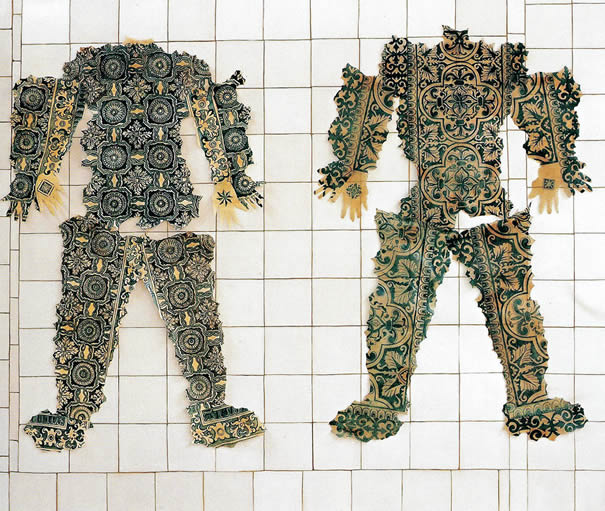
Ciau Amigos! Kachelagent takes a break to search for some inspiration in the delft-ware lowlands. Last attention goes to Adriana Varejao, Brazilian artist who shows impressively what tiles are still able to tell in modernity. Good base for 2012. So far for now, keep searching for the marvelous universe of tiles. Tot ziens!


11.12.11
Belgium the first year – why it's difficult/easy to live in Flanders
Why it's difficult to live in Flanders:
The silence here. In the hallway. In a meeting. It takes three floors in the lift till somebody starts to talk. It takes 20 seconds after a presentation until a professional rises a question. It took me 6 month to get it.
The times. 6 o'clock p.m. and every common Flemish man has to sit around dinner table at home. Forget street life - family, thats where life takes place.
The provincial taste. Many Flemish people have never been to Brussels, whereas it's nowhere more than an hour away. They pretend its the Flemish capital but they do everything to avoid it.
The student organizations in which almost all Flemish youth takes part. Their ridiculous and humiliating entrance tests who remember of the Hitlerjugend.
10 months that I had to repeat my daily order in my favorite bakery Pain Perdu. “A sandwich with cheese, alstublieft .” Accents make life difficult.
The question: “How much did you pay?” when treating somebody. Even if your close it seems very uncommon to take it easy with money.
75% of the Flemish people vote right wing. From christian democratic (15%), liberal right (12%) to separatistic right (35%) and nationalistic (13%). Instead of being proud to be such a cultural divers country full of perspectives and options, they got stock somewhere in the nationalist interests and fears of the 19th century.
Why it´s easy to live in Flanders:
The past. My street, which already in the 16th century led to one of the city gates. The pictures from the golden age in the cathedral. The normality of present European history around the corner and in front of my window.
The baguettes of my favorite bakery. Cheese, carrots, tomato, salad and lots of sprouts. And the best: after 10 month they know my order and even serve it with a smile.
Brussels. Just an hour away. Such an unpretentious, international city full of ideas.

The beer. The chocolate. The fries.
The accent. Think of “salukes”, allez” and “zeg”.
The flemish pop songs. Such a small country, so many authentic, so many sensible songs.
“De ochtend” and “interne keuken” on radio 1. They make my day.
NMBS. For 7,40€ you get till the Luxembourgian woods.
Last tuesday we got the first openly gay prime-minister worldwide. A gay migrant is now the head of state. And the best: It´s even not a topic.
05.11.11
Belgium the first year – from payboy to paydate
09.10.11
Belgium the first year – sharing the flat
It is now one year of living in Belgium, living in Antwerp, living in Klapdorp. While the adventures of living in the Flemish culture certainly deserve an own chapter, lets start with summing up the personal things. It is also one year of living for the first time together with my boyfriend. And by that I mean not only sharing love and compassion, but much more serious: sharing the flat.
It is true when people say that living together is getting to know each other. For example: Getting to know what are the favorite songs of my boyfriend. Sung in bed while I am about to get a clue of Horckheimer/Adorno´s „Dialectic of Enlightenment“. My boyfriend's favorite songs seem to be pop songs from the eighties. I think that Horckheimer/Adorno have a certain disgust about mass culture since it ruins the reason. But maybe I missed the point - its hard to concentrate since I live in Klapdorp.
For example: Understanding why my boyfriend gets to the conclusion that the kitchen cloth has to lay on the left side of the sink. Every time I pick it up from there, my hygienic brain shouts: Right! It has to lie got damn right! Logical, from here it´s so much easier to get picked without touching the just cleaned dishes. But while living together I have understood that we change attitudes only very slowly. So I train my boyfriends access to reasonable placement of the kitchen cloth by putting it again and again on the right hand side of the think.
For example: Accepting how breakfast on Sundays can be such an irrelevant story. Breakfast on Sundays means to me: fruits, eggs, olives, vegetables, rolls of all kind, arranged in an aesthetic way. Breakfast on Sundays is a symbol of the triumph of life over the market, of basic luxury for everyone, of free spaces in a widely determined daily routine. In short, Sunday´s breakfast is a symbol of a better tomorrow. But Duchies do not seem to get it. How could it happen that they did not get over this sandwich thing? All they need is toast with cheese and margarine. Margarine!
But after one year of living together, the most complicated thing turns out to be always in contact with myself. Especially with my bad days and bad sides. And there are many, I had to discover. Before living together I did not know, because it was just me who had to stand me. I used to be quite content. But that was before having that walking mirror around me. Suddenly, I hear myself talking and reacting. Lacking interest of my boyfriend's hobbies, complaining about the placement of stuff, having difficulties accepting completely irrelevant habits. I got surprised that I am not interested in chatting and socializing every moment of the day. In fact, I found out to be quite a loner. I discovered to not be interested in food which consists basically out of potatoes and vegetables and I surely discovered that I hate pop songs from the 80ies.
After living together for one year, I can certainly tell that my boyfriend is a nice guy. But I have got some serious doubts about that intolerant, moody, anti-social and boring guy he is living with...


Despite all ups and downs of daily rollercoasting while living together, certainly the correct place of a kitchen cloth: right.
02.10.11
Het is gesplitst (beinah)!
BHV. (Sprich: BHW.) Eines der zahllosen belgischen Wörter, die ich nach einigen Monaten zwar übersetzen konnte, aber dessen Sinn sich mir nicht im Geringsten erschloss. So geht es einem Fremden in Deutschland wohl mit Worten und Ausdrücken wie “ALG2”, “schwarz-gelb”, “Sie haben da was” oder “riestern”.
BHV ist ein schwieriges Wort, soviel stand von Beginn an fest. Erwähnte ich es, wurde freundlich gelacht und erklärt, dass sowieso alle Politiker verantwortungslos seien. Danach wechselte man das Thema. Suchte ich in der Zeitung nach einer Erklärung, erfuhr ich zwar regelmäßig, dass die BHV Vorschläge von dem oder der auf keinen Fall zu machen seien. Jedoch nicht, worum es bei BHV eigentlich ging. Ein altes Problem, auch das wurde klar. So alt, dass keiner mehr Lust hatte, dem Neuen zu erklären, worum es ging.
Jetzt aber scheint es gelöst zu sein. “Voila, het is gesplitst!” hieß es vor 2 Wochen im ganzen Land. BHV ist aufgeteilt. BHV - Brüssel, Halle, Vilvoorde – steht für das Randgebiet rundum Brüssel, in das immer mehr frankophone Belgier ziehen. Historisch-politisch gehört es jedoch zum niederländischen Flandern. Über die Frage, wer hier wen wählen darf, wer hier das Recht hat amtliche Briefe in welcher Sprache zu empfangen, in welchen Sprachen hier vor Gericht verhandelt werden soll, streitet das Land seit 2004. Und rührt damit auch an den Kern eigener Macht: Welcher der verhandelnden Politiker stimmt hier einem Machtverlust zu? Tag 459 der Verhandlungen über eine neue Regierung hat eine Lösung gebracht.
Wer wo gewählt wird, das ist jetzt klar. Und damit die wichtigste Hürde genommen. In Flandern darf nur für flämische Listen gestimmt werden. Natürlich, die ganz rechten Flamen sind empört, denn in 6 Gemeinden gilt eine Ausnahme. Die meisten anderen Flamen denken, dass sie sich mit ihren Forderungen durchgesetzt haben.
Historisch ist das belgische Problem übrigens ein Europäisches. Nach der Besetzung des Kontinents durch Napoleon sollte eine größere Pufferzone her, ein Gebiet, das dem großen Nachbarn einen ersten Einhalt bieten konnte. Das Gebiet des heutigen Belgien wurde den Niederlanden zugesprochen. 1830 dann, nach der Revolution der katholischen Belgen gegen die Niederlande wurde es eigenständiger Staat. Seine Funktion als Puffer erfüllte es und zahlte blutig, wenn auch anders als gedacht. Sowohl im Ersten wie im Zweiten Weltkrieg wurde es zum Schlachtfeld für die gegen Frankreich anrennenden Deutschen. Und so ist ihr Streit letztendlich auch unserer.
BHV ist also weitgehend abgehandelt und auch über die Aufteilung der Steuern wurde ein Kompromiss gefunden. Jetzt nähern sich die Verhandlungen über eine Regierung der resteuropäischen Normalität an und versuchen die Frage zu lösen, wie angesichts der Finanzkrise im föderalen Haushalt 7,2 Milliarden Euro eingespart werden können. 7,2 Milliarden von 155. Eine Kleinigkeit.
16.07.11
Enjoy your burka before it's too late!
It's the last days of unlimited burka pleasure in Belgium. After July 23th it will be punished with some 137,5 € and up to 7 days of prison. So take out your favourite model and walk the streets of Brussels, Antwerp and Gent till its too late!
29.05.11
Post growth in Berlin
Last friday in Berlin. Conference about post-growth titled “Jenseits des Wachstum”, organized by attac. It was the atempt to set the debate on the national agenda after similar discussion lines (“decroissance”, “buen vivir”) already became important in other regions.
It is the question about how we are going to live in the future. Starting point of the analysis: Western lifestyle is not sustainable, regarding the ended resources of our planet. Oil peak and co2 emissions are just the the most urgent issues, but all our material consumption has to be included, surely the question of how to feed a world of 9 milliard of people.
Ecology is just one side of the coin. The other leads us to the question whether the aim of economic growth has been anyway of success. There is still a milliard of people starving, 2 other milliards have only the most necessary, and inequality kept growing in the so called developed world over the last 3 decades, making unemployment one of the most serious topic's of our time. Economic growth, athough paradigma for any political thinking in these times, does not offer solutions for either the ecological nor the social topics.
It' s the totality in which the concept influences all kind of social debates that I became aware of in Berlin. Germany is doing well these days, it has a growth of 3-4 percent – Hurray! But is it really a reason for boundless joy?
People are not only following the logic of the economic market. What about all the other decisions we take in our lives? Time we spend to grow up children, doing voluntary work, taking care of relatives, neighbors and communities. Decisions we take on education and workplaces although we know that we will gain less money. In Germany it´s just about a third of the working hours that people are getting paid for. After a certain level of wealth (around 15.000$ a year), people do not become significantly more content when they get richer. Why is it then, that in politics we just look to the growth of the GNP/BSP?
The conference offered a range of ideas about a post-growth society, from old style concepts of shortening of the work week to an unconditioned basic income, from the consensus between ecological an social aims to the implementation of other concepts of time.
It also raised questions. Are human needs really infinite? Can economic growth be sufficiently decoupled from the usage of resources? Will a post-growth society still base on capitalism or are there inherent defects in the system (accumulation of capital)? Will we have one market, no market or many different markets? What about the necessary growth in the south?
Discussion is opened to get heated.
(For those who want more: text about the question who growth entered our soules by Harald Welzer, follow the link to download. And below: video from the final discussion with Barbara Muraca, Matthias Schmelzer, Hans-Jürgen Urban, Angelika Zahrnt - in German)
19.05.11
Danke, gracias, thanks, bedankt!


- Maxima wurde 40 und erhielt vom Parlament das Recht verliehen, den ofiziellen Titel Königin zu tragen
- Racing Genk wurde belgischer Meister und so für seine Flämischen Effizienz belohnt ("er is maar één club in Limburg!")
- Die Huren vom Schipperskwartier freuen sich über die Neueröffnung vom MAS und die damit verbundenen extremen Umsatzsteigerungen
- Ganz Belgien bekommt einen ersten ofiziellen Regierungsformer geschenkt, Elio di Rupo. Soll das etwa der Beginn einer ganz normalen politischen Lösung sein?
Great present that so many people were thinking of me and send their wishes, thanks a lot! I had a quite normal day working, meaning getting paid for watching gay porn on the internet. But the world around Klapdorp offered some special presents.
- Maxima turned 40 and parliament granted her the right to the oficial titel queen.
- Racing Genk became Belgium champion, an award to Flamish efficiency ("you are my racing, m only racing").
- The hores of the schipperskwartier are glad over the big increase of costumers caused by the opening of the MAS by King Albert.
- Whole Belgium gets as present a first official government former, Elio di Rupo. Might that be the beginning of a totally normal political solution?
Muchas gracias por todos los deseos y mensajes por mi cumpleanos, fue muy lindo saber que pensaron en mi!
Yo tenía un día re-comun en el trabajo, estando pagado por mirar a gay porn en el internet. A pesar de eso el mundo alrededor de mi calle daba unas sorpresas especiales:
- Maxima cumplió 40 y recibió el derecho oficial de nombrarse reina.
- Racing ganó el campionato. Racing Genk.
- Las prostitutas del barrio se alegran por el gran aumento de los ingresos causado por la inauguración del MAS por rey Albert.
- Toda Belgica recibió como regalo por primera vez en 11 meses a alguien que intenta a formar un gobierno oficialmente. El comienzo de una solución política normál para este país?
Andere schöne Überraschungen: der Besuch guter Freunde in den letzten Wochen bei uns.
Other nice surprises: the visit of some good friends here in Belgium in the last weeks.
Otras lindas sorpresas: La visita de una gente querida en las últimas semanas.


23.04.11
Doel stirbt


Unser Karsamstags-Ausflug hat uns nach Doel gebracht, dem belgischen Garzweiler. Doel kämpft seit den 60er Jahren gegen einen Riesen, der sich langsam aber gewaltig seinen Weg durch das Wasland bahnt: gegen den Antwerpener Hafen. 4 Dörfer wurden den neuen Becken, Kanälen und Docks bereits geopfert. Der gigantische Motor der belgischen Volksökonomie wächst und wächst und mit ihm die Verladehäfen von BASF, Bayer, Evonik, Monsanto, Total etc etc. 2010 wurden im zweitgrößten Hafen der EU 180 Millionen Tonnen Fracht angeliefert und es sollen noch mehr werden.
Das Dörfchen Doel hat im 16. Jahrhundert die Spanier überstanden, im 17. die Holländer, im 19. die Deutschen. Aber seit 10 Jahren wird hier ein Kampf ausgefochten, den die Bewohner schon verloren haben. Gegen den Protest der Dörfler setzte sich das Flämische Parlament mit Hilfe von Notstandsgesetzen durch und der Bau des Deurganckdoks begann. Seit 1999 ziehen die Menschen hier weg, zeitliche Wohnrechte sind mittlerweile aufgelöst, erste Häuser wurden abgerissen, Besetzer verjagt. Heute sollen in Doel noch etwa 80 Menschen leben und einige Dutzend Kraker.
Hätte es einen besseren Ort für einen Karsamstagsausflug gegeben, diesen Tag des Stillstands, den Tag ohne Hoffnung, ohne Perspektive? In der Kirche des Ortes feiert man übrigens noch immer Gottesdienst. Allerdings nicht am Ostersonntag. Himmelfahrt dagegen wird der Priester vorbei schauen.


07.04.11
300 Tage
Di Rupo, Chef der wallonischen Sozialisten, de Wever, Vorsitzender der separatistischen flämischen NVA und der flämische Christdemokrat Beeke, der im Moment um einen Kompromiss ringt. Inzwischen demonstrierten eine kleine Zahl verlorener Studenten für die nationale Einheit und ruft zur Frittenrevolution auf.
Nein, wir sind es doch nicht, Weltmeister im Regierungbilden. Nachdem wir im Januar an den Irakern vorbei zogen und das ausgiebig mit Fritten und Bier (sowohl wallonisches als flämisches) feierten, wurde nun bekannt, dass der Rekord doch noch bei den Kambodschanern liegt. 353 Tage haben sie im Jahr 2003 dafür gebraucht, dass die Regierung stand. Heute sind es bei uns grade 300 Tage. Aber so schnell geben wir uns nicht geschlagen.
Zunächst: Man kann nicht wirklich sagen, dass wir keine Regierung haben. 6 von 7 funktionieren., Flandern, die Wallonie, Brüssel und die 3 Sprachgemeinschaften werden regiert. Und dann gibt es natürlich noch “ontslag-nemend premier Leterme”, also den alten belgischen Premierminister, der munter weiter machen kann, obwohl er die Wahlen eigentlich dick verloren hat.
Denn mit einer neuen, demokratisch legitimierten föderalen Regierung will es einfach nicht klappen. Königliche Vermittler, Unterhändler und Berichterstatter geben sich die Klinke in die Hand. Und sie waren alle schon am Zug, rechts, links, liberal, französisch und niederländischsprachig, bislang ohne Erfolg. Das Problem? Die Wallonie hat links gewählt, Flandern rechts. Rechts und separatistisch. Im Wahlprogramm der großen Siegerpartei Flanderns, der NVA, heisst es, dass Flandern ein eigenständiger Staat werden soll. Und wenn nicht sofort, dann doch irgendwann.
Wie es soweit kommen konnte? Zunächst mal war da die populärste Fernsehsendung Flanderns, ein Quiz mit prominenten Spielkandidaten und dem überzeugendem Titel: “Der schlauste Mensch der Welt”. NVA Parteivorsitzender Bart de Wever (und sein Team) wusste viel, war charmant und schlagfertig und schaffte es bis auf den zweiten Platz. Danach stiegen seine Bekanntheits- und Popularitätswerte exponentiell und in der Folge die Wahlergebnisse seiner (davor noch kleinen) Partei.
Und dann sind da natürlich die alten Geschichten. Das Gefühl der Flamen, dass sie seit der Staatsgründung von den Französischsprachigen ausgenutzt werden, erst als Arbeiter, dann als Soldaten, jetzt -seitdem sie reicher sind- als Steuerzahler. Die rechten Parteien, die seit zwei Jahrzehnten in Flandern Erfolge feiern, wissen diese Ressentiments gut für sich zu nutzen und den Hass zwischen den Gemeinschaften zu schüren.
Jetzt wird also seit 300 Tagen verhandelt und die meiste Zeit geht es darum, wer mit wem sprechen will. Erst danach kommen Inhalte und die sind nicht leicht zu knacken. Wie können die föderalen Steuereinnahmen noch mehr auf die Regionen verteilt werden? Was soll in Zukunft mit der zweisprachigen Region Brüssel und ihrer Umgebung passieren? Können und sollen die verschiedenen sozialen Sicherungssysteme an die Regionen übertragen werden?
Eine starke Gegenstimme, die für den belgischen Gesamtstaat eintritt, gibt es nicht. Niemand der laut sagt, dass es noch vor 50 Jahren die Wallonen waren, die für die Flamen mitgezahlt haben, dass Belgien im Herzen Europas Vorbild für das Staatenbündnis ist, dass es eine Chance ist mit den Märkten der Welt gleich in 2 Richtungen natürlich verbunden zu sein, dass es soviele Staaten gibt, die viele Sprachen sprechen, dass Solidarität untereinander eine Tugend ist. Zumindest nicht hier, zumindest nicht in Flandern. Vielleicht in Brüssel, vielleicht auch in der Wallonie, aber davon kriege ich hier eigentlich nichts mit.
Fragt man hier nach der Staatskrise, kriegt man entweder erst gar keine Antwort oder es wird einem lachend entgegnet, dass doch eigentlich alles ganz gut laufe. Dass die Finanzmärkte mittlerweile kritisch über den Staat im Verfall denken und sich die Schuldzinsen erhöhen, dass man hunderte Jobs auf federalem Niveau nicht besetzen kann, dass es zwischendurch eine Asylkrise gab, das es keine Antworten auf die zukünftige Energieversorgung gibt und auch sonst kein Fortschritt zu verzeichnen ist, das merkt hier keiner? Sie werden es noch merken.
Das Dilemma: Gelingt die Regierungsbildung nicht, stützt das die identitätsstiftenden These der NVA: Dieser belgische Staat funktioniert einfach nicht mehr. Haben sie also überhaupt ein Interesse daran, dass es zu einer Regierung kommt? Das darf getrost bezweifelt werden. Und in der Tat: Seit Verhandlungsbeginn steigen die Umfragewerte für die Nationalisten, alle anderen verlieren. Kambodscha, wir kriegen euch!
15.03.11
Sicher in Belgien
Größere Kartenansicht
oben links, wo´s so schön qualmt über Doel, stehen die Kraftwerke; unten rechts, beim "e" von Antwerpen, schau ich aus dem Fenster
Vielleicht muss man es den Belgiern nachsehen, dass die Debatte über Atomkraft für sie zur Unzeit kommt. Schliesslich müssen sie hier erst größere Nüsse knacken, z.B. eine federale Regierung formen. Und doch ist es erstaunlich, wie weit die deutsche Zivilgesellschaft in diesen Tagen entfernt ist.
52% der Belgischen Energie wird in 7 Atomreaktoren produziert. Sie haben nicht das Gas der Niederlande, die Kohle der Deutschen und anscheinend auch keinen Platz für mehr als 8 (sic!) Windräder. Es gäbe keine Alternativen, klingt es auf (fast) allen Kanälen und: Das seien Panikmacher, die nun die Atomenergie überdenken wollten.
Von den 7 Reaktoren stehen vier beinahe in meiner Sichtweite im Antwerpener Hafen, 15 Kilometer entfernt. Sie sind natürlich sicher, schliesslich liegen sie nicht im Erdbebengebiet. Beim größten Hochwasser der letzten 50 Jahre (natürlich im letzten Herbst) mussten dann auch nur ein paar kleine Instandsetzungsarbeiten durchgeführt werden. Dass die Kraftwerke so nah bei einer Großstadt stehen, sei einzigartig in der Welt. Darum, so erklärt ein Offizieller der Atomaufsicht, ergreife man natürlich besondere Sicherheitsmaßnahmen. Bei einem atomaren Unfall würden alle Anwohner per SMS informiert. Und das Innenministerium hat gestern begonnen gratis Jodpillen auszuteilen.
Oder hat den Belgiern vielleicht niemand gesagt, dass der Karneval vorbei ist?
10.01.11
Rise and fall of Antwerp and the Plantin-Moretusmuseum
The 16th century was Antwerp's golden age. With over 100.000 inhabitants, it was next to Paris the biggest city of the world, attracting traders, seamen, bankers and ordinary people trying to make their way. Its strategic position, close to the markets in England, Flanders, France, Germany and -while being under Spanish rule- with a direct access to the Spanish economy and its colonial treasures, led economy to a so far not known growth.Antwerp's golden age was a short period of glance. With the new ideas, a big part of Antwerp citizens turned to Calvinism and Lutheranism. Spanish and French rulers could not accept the secession from its territories and reacted strongly on riot (1866 – Iconoclasm) with strong repression and control (Spanish Fury in 1676). Till, in 1685, the city completely capitulated. More than 40.000 people left Antwerp, most of them of Calvinists and Lutherans. Rulers turned Antwerp into the fortress against upstanding Netherlands, while Dutchies blocked the access to the city's harbor. It meant the end for trading and what was left for the city was the kitsch of Rubens contra-reformatory Baroque. From 1586 till the mid 19th century, harbor and city fell into deep sleep. It did not prevent the Spanish rulers from decline and the church not from slowly loosing its power. A new boom town came to growth further north: Amsterdam, where a lot of Antwerp's merchants flew to.
16th century was surely a great time for the city. It is to hope that my contemporary co-Antwerpenaars remember that golden age. The time where the city was most vivid, was a time in search of freedom of thinking, expression and believe. Especially, if Belgium - despite all probability - has to return to the ballot box in the next month. Till know, it seems that the king (!) did not gave up negotiations.
1st pic: Antwerp's city map made in 1566 by Pauwels van Overbeke
2st pic: The famous Biblia Polyglotta edited by Cristoffel Plantijn in 1568
03.01.11
The tile of the year and other promising news for 2011
(stadsschouwburg Antwerpen)
Other good news to come in the next year:
The EU forbids the selling of drinking cans. While elsewhere on the continent nationals are used to other forms of consumption, Belgium citizens have to completely change their drinking behavior and Belgium breweries start to bottle beer. Unexpectedly, the system change rises the export of Belgium beers enormously. Surrounding countries, no more irritated by the strange aluminium taste, start to discover the great taste of Belgium beers. It is especially the small size breweries of Wallonia which profit from the boom. The region experiences a sudden job and income growth and the contribution of Walloon tax payers to state income pass the Flemish percentage. The North reconsiders its demands. State crisis is solved within the year. Turkish and Moroccan immigrants move massively to the south, slogans by the nationalistic right seem to be all of a sudden hostile to progress. Vlaams Belang disappears.
The US dollar becomes downgraded by the world's famous rating agencies because of the enormous public debt. Time to take action. The American government, backed by China which fears the loss of the big amount of American debts in their hands, calls for new international rules. Within a year, stronger regulation, a more regulated exchange system and an international country bailout law gets introduced. Taxes on international transaction passes the UN general assembly in September. The UN gets stronger by successfully leading the negotiations and can finally implement their longly planned institutional reforms.
After the massive loss in 7 Landtagswahlen in 2011, the German FDP urgently needs to discover new voting blocs. After the party leader gets voted out of office in october, under Leutheuser-Schnarrenberger the party re-discovers its liberal roots. Foreigners seem to be a promising target group. Putting pressure on the governing coalition, the party reaches that approval rates of asylum seekers, lately been on the historical low, rises again, and a system of contingent refugees is introduced, first effecting Afghan and Iraqi refugees. German parliament will decide on the abolishment of Artikel 16a in 2012, the same year the new common EU immigration system gets discussed.
Scientists make an astonishing discovery in the Amazon rainforest. A till now undiscovered insect produces an enzyme which is able stop the growth of cancer cells. The global public is for 2 weeks paralyzed by the results of the South American scientist team, reports from the jungle reach every corner of the world. Dilma Rousseff, the new president of the Brazilian state, uses the big public to get known by the world. On a choreographed visit to the Amazon Basin, she unveils the new approach of her government. With an Amazons action plan “Viva Amazonas”, she suggests to protect all still existing rain forest in Brazil if the international community is willing to contribute to the protection. The Post Kyoto Process gets a new push, on a international conference taking place on skype, a wildly accepted deal is accorded, in which both, Northern and Southern countries contributes to a compromise.
The new peace process in the middle east fails on the question of Jerusalem, the Palestinian refugees and the final frontier of the two states. Tony Blair steps back as international envoy and Herman Van Rompuy suggests Sepp Blatter as his follower.
13.12.10
On living and dating
Why did nobody inform me earlier that living together is like having a constant date?
I always thought that people who start to live together disappear out of social life because they aren't interested in it anymore. Currently, I slowly start to understand that it might has nothing to do with it! Maybe they would like to still take part. But they simply don't have time for it. They are already on another meeting. They are dating the friend! It is by no means true that they are not interested in social interaction anymore. To the contrary! They are busy with it all the time!
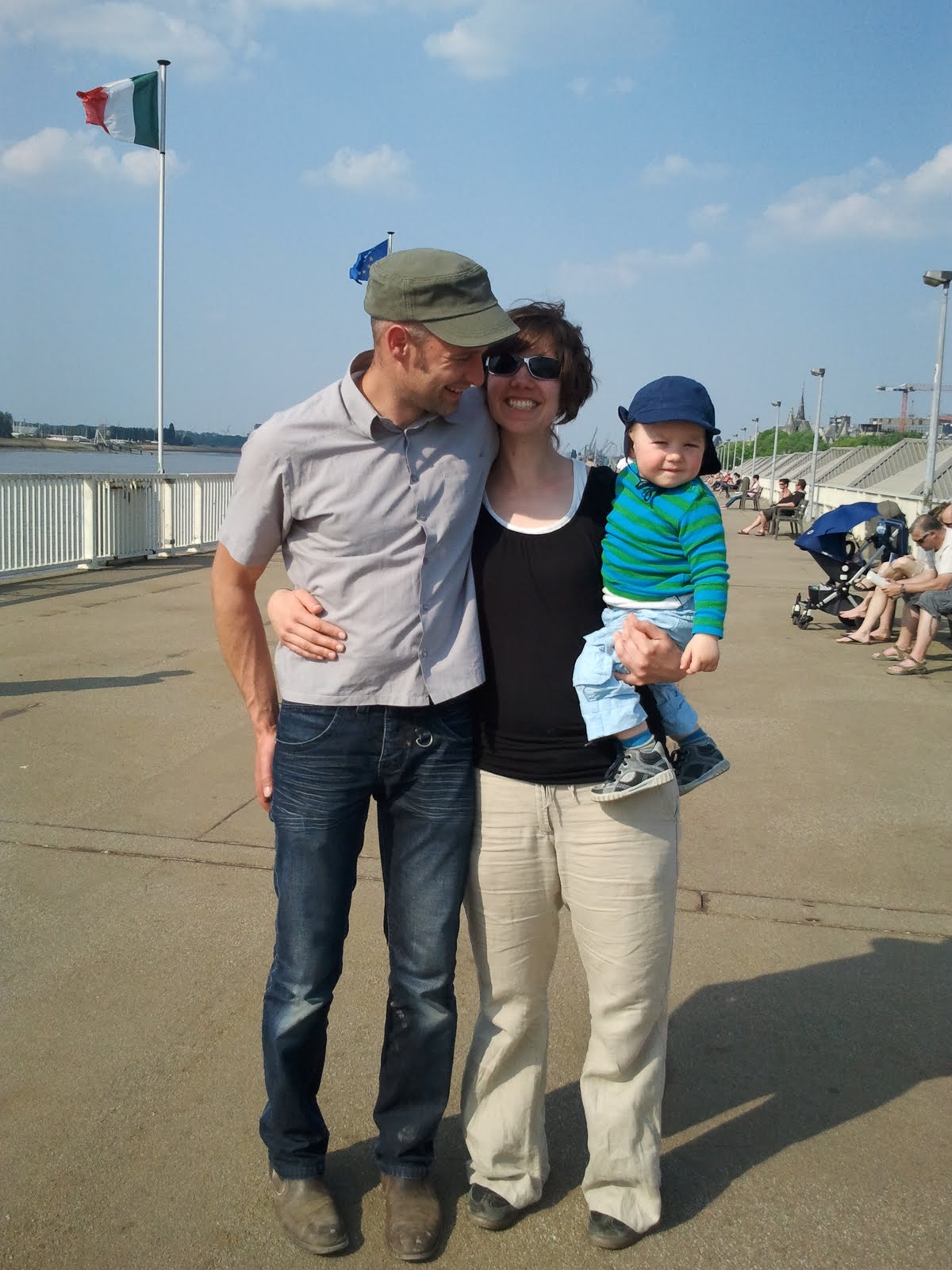
My date is called Jasper. Usually he is already there when I arrive. Just sometimes he's a little late. We are having dinner together (in the kitchen), we go for a drink (sofa), we go to the movie (bed). We are appointed for breakfast, for shopping or teeth brushing. He shows me his prints, I show him my vocabular tests. We have a talk on what happened the week, what's important in life and (more frequently) what's not. It is very convenient, you never have to feel lonely again without calling somebody!
It is good that we do not have friends yet in Antwerp because otherwise, I am afraid, we would have no time for them now. Also this blog is in danger. Jasper is already waiting. I will tell him what I did. He will surely find it interesting!
(...and next time Ill continue with more serious topics.)
16.11.10
Heel zwaar leven....
How do you tell that just 5 weeks after arriving in a new country, you have an astonishing flat, 30 points in your niveau 3 Netherlands test (goed) and since a week a tariff paid job with social contributions? Although 5 weeks ago you did not plan neither of that?
Second talk in dutch was with a classmate of me. Without knowing anything of my past, she told me that her husband is going to leave the male prostitution project of Antwerp. There it was, destiny deciding for me. 2 weeks and a hilarious application process in Dutch later, I signed the contract. Now, I am again searching bars for escorts from the Balkans, this time in Dutch, thinking about translations for long forgotten sentences like "Mach Vorkasse" oder "Kein Blut oder Sperma auf Schleimhäute".
Probably I am in phase 1 of the cultural shoque model ("honeymoon") and of course, bad times will come. On the weekend, Belgium got already flooded and there is still no government in sight. Today you could hardly see the cathedral because of all the mist. Brigitte Kaandorp gives the tunes for my situation, I like to show you the clip. It is also a good start for friends everywhere but especially in Duitsland to learn some Dutch. "Ik heb een heel zwaar leven - I have a very difficult life - moeilijk, moeilijk, moeilijk - difficult, difficult, difficult..."
31.10.10
A selection of issues for this blog which weren't published the last weeks because there was always another wall to paint
Failed state Belgium: How the country continues 130 days after the elections without government and no perspective to find one in the medium term. Who needs to go to the south to have that experience? Its in front of the door of the EU capital.
How it is to live in a city where the far right owns a third of the votes since fifteen years, where a third of the inhabitants are of foreign origin, where a big, tolerated red light district around the corner attract the male clients, where rich neighborhoods from the Flemish elite and deeply industrialized quarters around Europe´s second biggest harbor come along with each other.
Our lift, build in 1929, a living reminder of Art Nouveau and Film Noir. As the grand old lady of the house, she has her own personality, sometimes stopping where you do not expect it, sometimes taking a day off from work. But we can not be angry with her, since she is not simply transporting but rather lifting us to some higher level of existence.
About finally getting to the home country of world's finest tiles and some most beautiful exemplars in our own toilet.